Built by Corey See the live rebuild  ↗
Proposal · prepared for Salter & King · 19 May 2026

A few specific fixes for salterandking.co.uk

Salter & King · Aldeburgh High Street · website rebuild

I rebuild small-business sites in my spare time when I can see they are leaving conversions on the table. Three things stood out in the first ten minutes on salterandking.co.uk. Three findings below, then a working rebuild you can click through.

Open live preview  ↗ Read the three findings Reply to the proposal
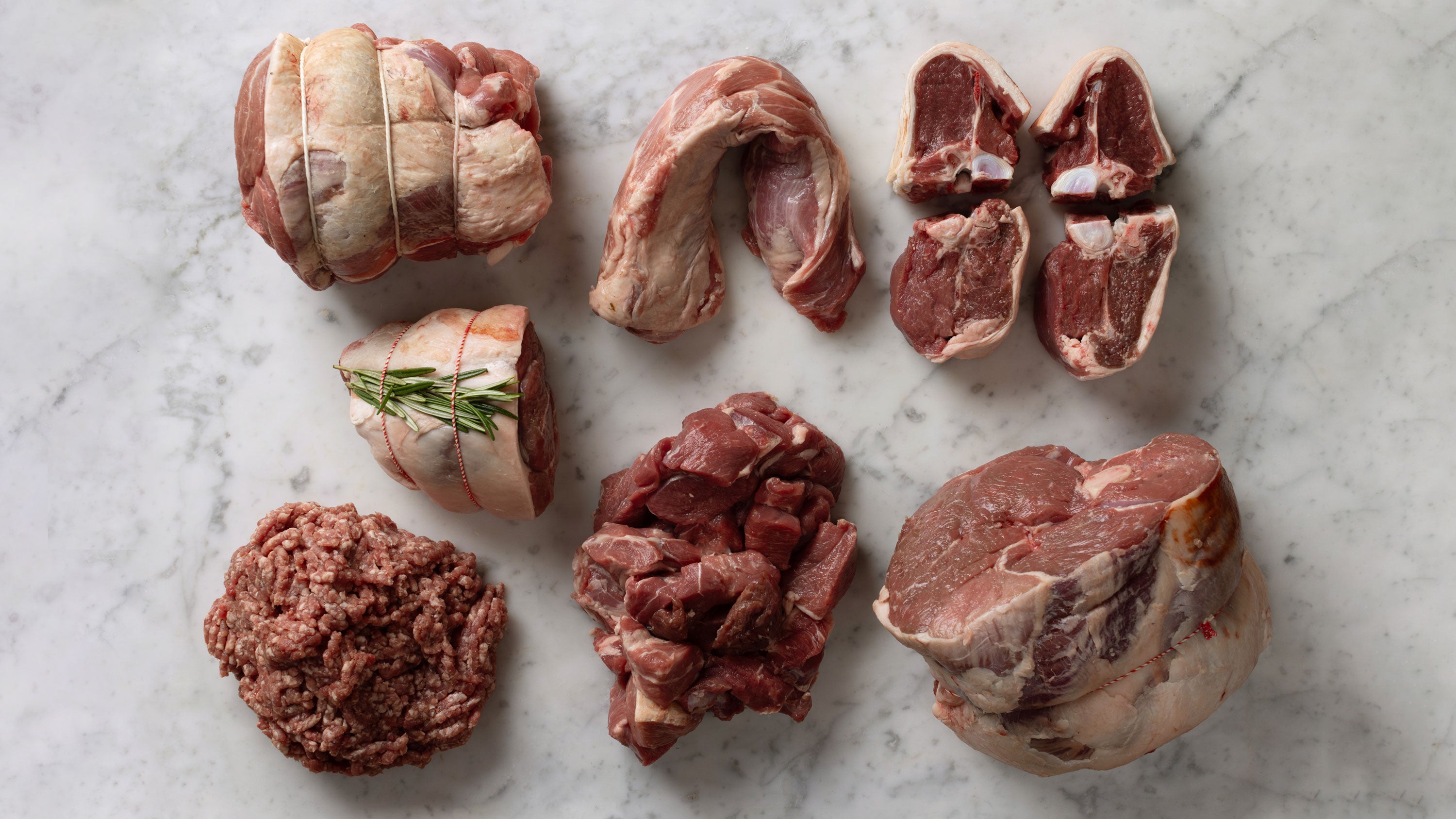
A top-down spread of dry-aged lamb cuts on butcher paper, shot from above on the Salter and King counter in Aldeburgh
107-109 High Street · Aldeburgh · since 2013

Third-generation craft butcher, whole-carcass on the bench and chilled UK delivery from the same room. Open the live preview ↗


01

The Shopify homepage opens straight into a sausage-and-bacon product grid, so a first-time visitor never meets Gerard, never reads that he is a third-generation butcher with thirty years on the bench, and never sees that the meat traces back to Natasha Mann at Iken or Alice at Shimpling Park.

What I saw
Loaded salterandking.co.uk on a fresh mobile session. After the wordmark header the first viewport is a top-down hero of dry-aged lamb cuts on butcher paper, which is genuinely strong. The next scroll is a Shopify product grid of Aldeburgh Sausages, smoked streaky bacon, Wiltshire gammon, sausage meat, turkey-breast rolled bacon, beef rib and so on. No mention of Gerard. No mention of Hackney, Smithfield Market or Doves of Battersea. No reference to the third-generation trade or the family photos of Bill King (1950) and Gerald King (1960) that the where-we-came-from page does carry. The named farms in the Aldeburgh-shop page (Thatched House Farm for the British Lops, Natasha Mann at Iken for the Lincoln Reds, Alice at Shimpling Park for the organic lamb) never surface on the homepage at all.
Why it matters
A coastal-Suffolk craft butcher with a thirty-year third-generation founder and a documented short supply chain back to named farmers has one of the strongest stories any small high-street shop could ask for, and the homepage is built around the SKU list rather than the story. The cold customer arriving from a Sunday Times food-feature mention or a Christmas-turkey Google search lands on a product grid, not on a person and a place. The story is on a where-we-came-from page that is two clicks below the homepage and that no first-time visitor will reach without already being convinced.
After rebuild
Homepage rebuilt around Gerard and the bench, not the SKU grid. The dry-aged lamb hero stays. Underneath it a tight heritage band names Gerard, the thirty years on the bench, the family Hackney shop, the Smithfield 3am trips, the Doves and Suffolk Food Hall work, and the 2013 opening on Aldeburgh High Street. A short-supply-chain block names the farms: British Lops from Thatched House Farm, Lincoln Reds from Natasha Mann at Iken, organic lamb from Alice at Shimpling Park. The Shopify product grid stays, but lower, where the buyer who came specifically to shop will still find it.
02

The site ships with zero JSON-LD on the homepage, so Google has no structured way to surface the Aldeburgh address, the IP15 5AR pin, the opening hours or any customer rating against Suffolk butcher queries.

What I saw
Inspected the homepage source on salterandking.co.uk. A grep for application/ld+json returns zero matches. No LocalBusiness, no Butcher subtype, no Store, no FoodEstablishment, no AggregateRating, no FAQPage. The Shopify theme ships a sitemap.xml at the standard path and a robots.txt, both default. The visible homepage carries a testimonial dated May 2026 from a customer named David, and the contact page carries an FAQ and the trading hours, but none of this is given to Google in structured form. The og:image meta is set, but it points at a 1181 by 836 pixel brand-mark of the wordmark and a cow silhouette, not at the dry-aged lamb spread that is the actual homepage hero.
Why it matters
A craft butcher on the Suffolk coast competing with the supermarket meat aisle and the Aldeburgh-fishmonger trade depends heavily on local-intent search. Every Sunday-roast-Aldeburgh or rib-of-beef-Suffolk Google query that does not surface 107-109 High Street with the right address, the right hours and the right star rating is a sale that walks past the door. The brand-mark og:image is the same problem in a different surface. Every WhatsApp share of an order link or a beef-rib URL between two friends unfurls as a small logo card instead of the food.
After rebuild
A full schema layer on every page. LocalBusiness with the Butcher and Store subtypes, the IP15 5AR PostalAddress, the phone in E.164 (+441728452758), the Monday to Saturday hours, the FAQPage block carrying the five most-asked customer questions (UK delivery, breed sourcing, half-lamb freezer orders, nitrate-free cure, Christmas pre-orders), and an AggregateRating block. The og:image and twitter:card image swapped for a hosted 1200 by 630 photograph of the dry-aged lamb spread or the beef rib on the bench, so every share unfurls as the food, not as the logo.
03

The nationwide chilled UK delivery is the single biggest growth lever the shop has, but the homepage gives the online buyer no map of where the boxes land, no chilled-supply-chain explanation, and no proof that the same cuts on the Aldeburgh bench go into the boxes that leave that afternoon.

What I saw
Browsed the homepage and the collections grid on salterandking.co.uk on mobile. The free-shipping-over-eighty-five-pounds offer appears as a small announcement bar, and the delivery details appear in the checkout flow. There is no homepage band explaining how the meat is packed, how it stays cold in transit, how many days from bench to doorstep, which couriers carry it, or what the buyer in Manchester or London should expect when the box arrives. The Good Meat Club membership is also off the homepage. The result is that the buyer comparing Salter & King against Farmison or the Ginger Pig has to dig through a Shopify shipping page to answer questions that Farmison answers in its first scroll.
Why it matters
For a coastal Suffolk shop, every London or Manchester customer who orders a box is worth materially more than a High Street walk-in, both per-order and over a year. The trust-gap between a walk-in transaction (which is in front of the customer) and a chilled-box transaction (which depends on a one-day courier hop) is exactly what the homepage needs to close. Right now the homepage assumes the customer already trusts the chilled supply chain, and the customer who is on the site for the first time is the one who does not.
After rebuild
A nationwide-delivery band on the homepage with the map of where the boxes land, the chilled-transit explanation (insulated box, wool liners, ice packs, next-day courier), the bench-to-doorstep timeline, and a direct visual link between the cuts on the counter that morning and the cuts in the box that afternoon. The Good Meat Club gets surfaced as a card on the same band. Schema for the Store and the Shipping offer so Google can carry the free-over-eighty-five offer into the search result.

Pricing

Fixed scope, fixed price.

£2,000Fixed for the rebuild, one-off. £150Per month for hosting and ongoing care. £50Optional. Embedded chatbot trained on FAQs.

No retainer. No contract. No in-person visits, fully remote from Switzerland.


If the proposal lands, reply with two or three 20-minute slots in the next ten days for a video call. I take on three Suffolk builds this quarter, and first confirmed wins the slot. If I do not hear back by 29 May 2026, the proposal site comes down.

See the live rebuild  ↗

A working preview you can click through. Opens in this tab.

salter-and-king-aldeburgh.builtbycorey.com/preview/